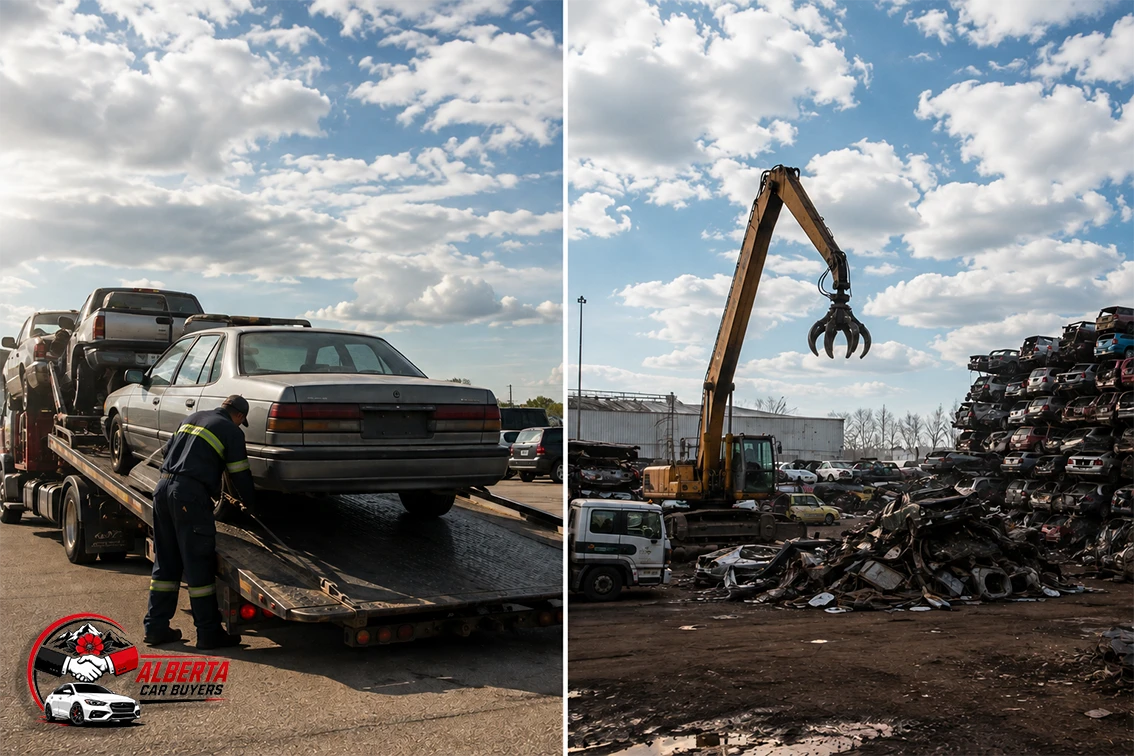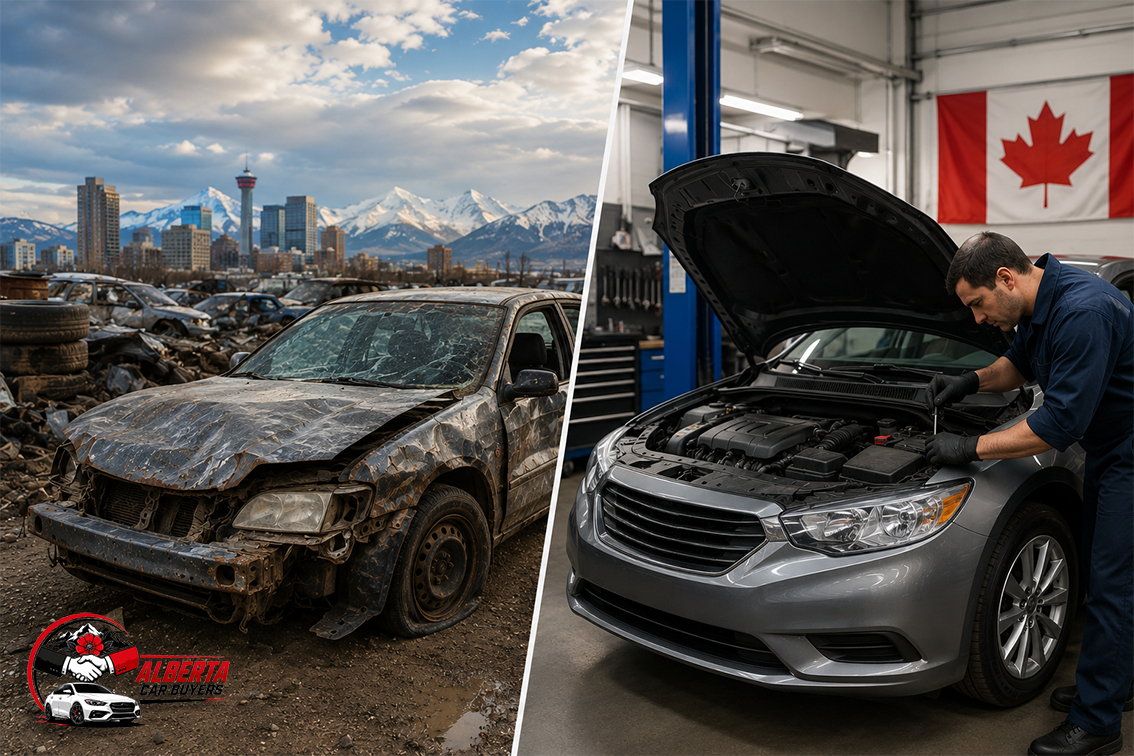

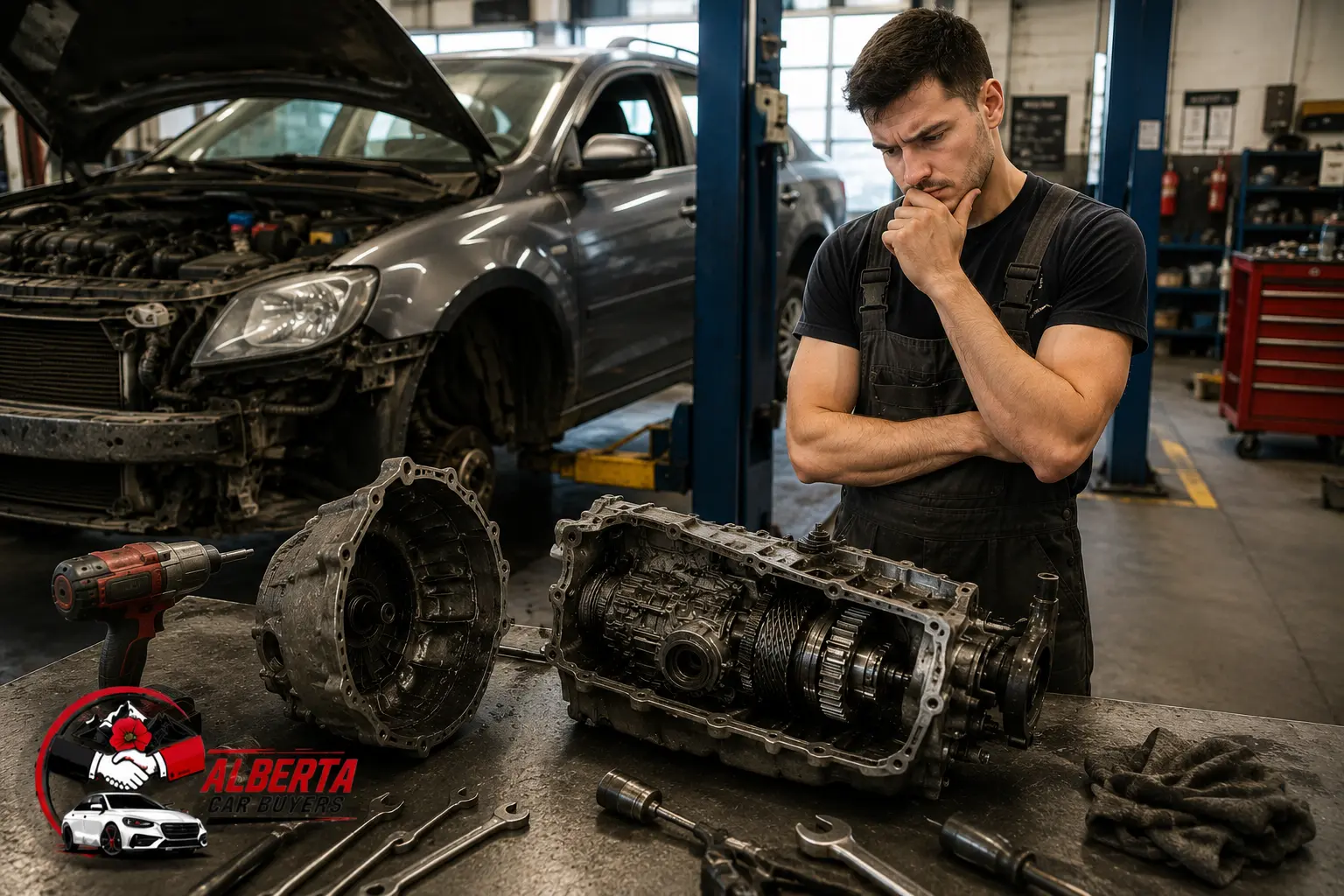
Few car problems trigger more anxiety than transmission trouble, and for good reason: it’s often one of the most expensive repairs a vehicle can need. The dilemma is that shops throw around numbers ranging from a few hundred dollars to well over six thousand, leaving you no real way to know if fixing it is smart or just throwing money at a car that’s already on its way out. The answer comes down to a genuinely simple comparison once you have real numbers in front of you, the repair cost against what the vehicle is actually worth, not a gut feeling about how bad the noise sounds.
This guide walks through what actually drives the cost of a transmission repair, the factors that push the decision one way or the other, and when selling the vehicle instead is the more sensible move.
Get a Fair Cash Offer for Your Vehicle
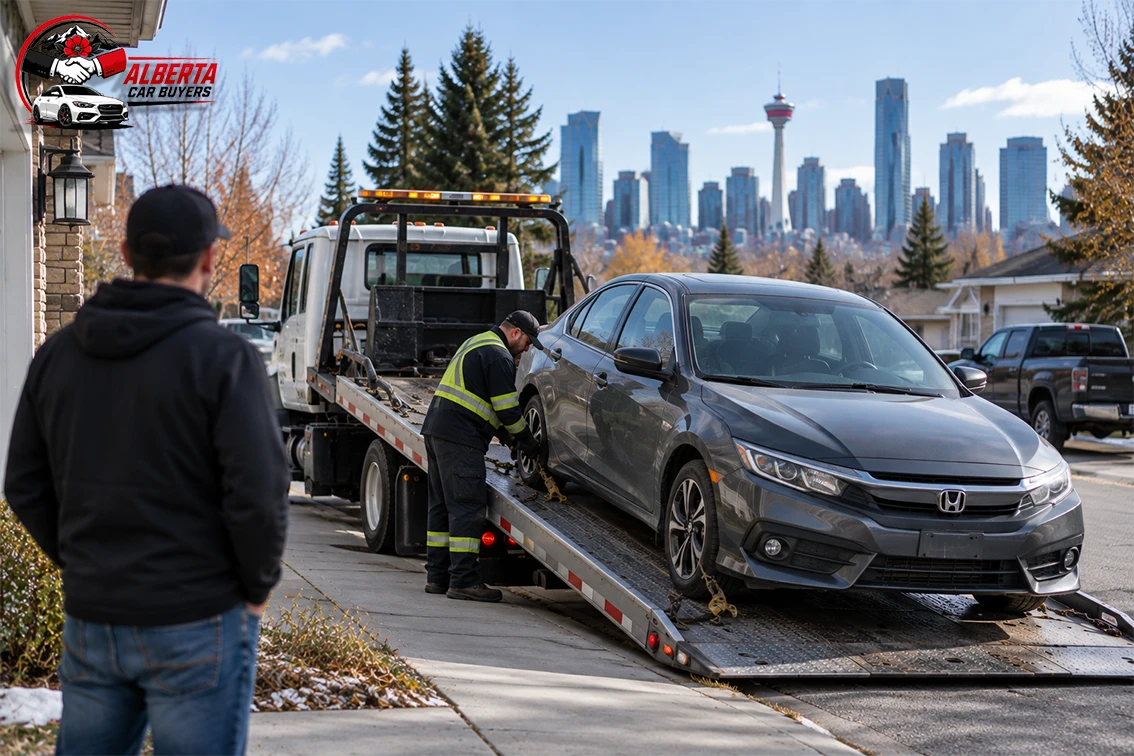
If a transmission diagnosis has you weighing repair against selling, get a real number for what your vehicle is worth before committing to either. Alberta Car Buyers accepts vehicles across Calgary and more than 55 Alberta communities in any condition, offer free towing, and pay cash at your door. Get a quote or email hello@albertacarbuyers.ca for a fast, no-obligation offer.

What Are the Warning Signs of Transmission Trouble?
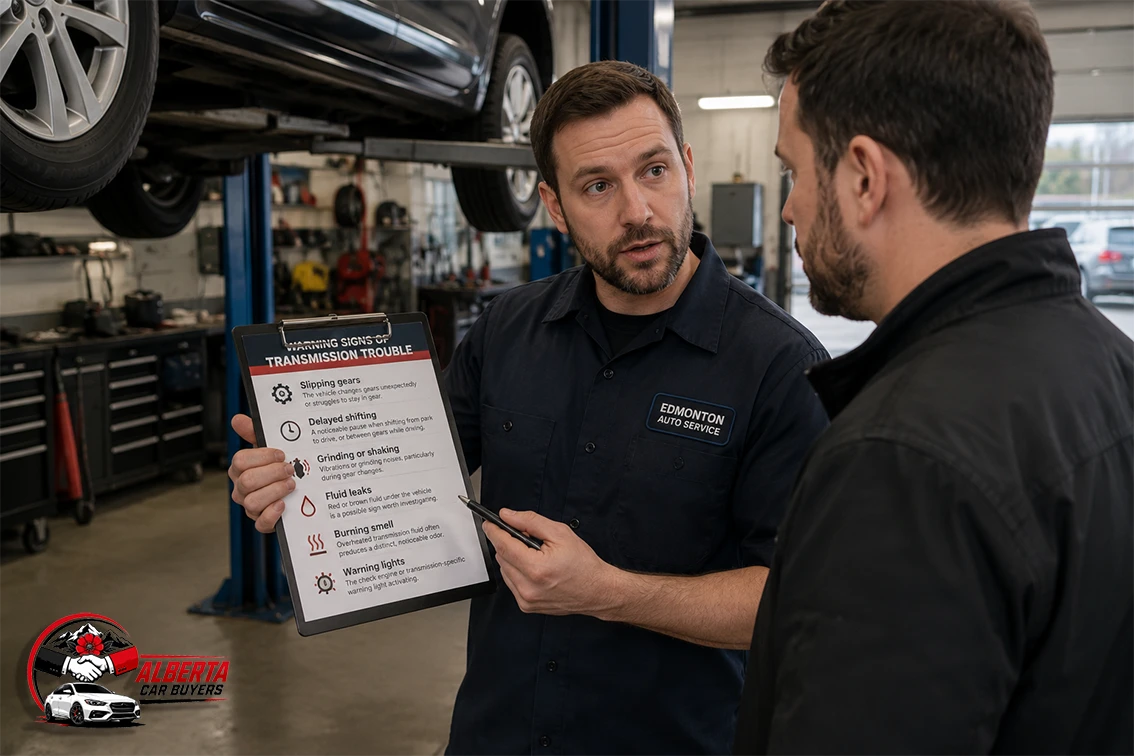
Transmission issues show up in a few recognizable ways, and catching them early sometimes prevents a small problem from becoming a full replacement.
- Slipping gears. The vehicle changes gears unexpectedly or struggles to stay in gear.
- Delayed shifting. A noticeable pause when shifting from park to drive, or between gears while driving.
- Grinding or shaking. Vibrations or grinding noises, particularly during gear changes.
- Fluid leaks. Red or brown fluid under the vehicle is a possible sign worth investigating.
- Burning smell. Overheated transmission fluid often produces a distinct, noticeable odor.
- Warning lights. The check engine light or transmission-specific warning light activating.
Getting a proper diagnosis before assuming the worst matters here, since some of these symptoms trace back to a relatively inexpensive fix, while others point to serious internal damage.
Does Alberta's Winter Weather Affect Transmission Problems?
Cold weather changes how a transmission behaves. Transmission fluid thickens in extreme cold, which can cause rougher or slower shifting during the first few minutes of driving, especially in a vehicle that’s been sitting outside overnight through an Alberta winter. In very cold weather, allow the vehicle a short warm-up period and then drive gently until the transmission reaches operating temperature, since the transmission actually warms more effectively under light driving than by idling alone. A vehicle with an existing transmission issue, a slow leak or a failing seal, may show symptoms more noticeably in cold weather, since cold fluid flows more slowly and behaves differently, which can make an existing problem more apparent. Persistent shifting problems well after the vehicle has warmed up should be diagnosed rather than dismissed as normal winter behaviour.
What Should Happen Before You Approve Any Repair?
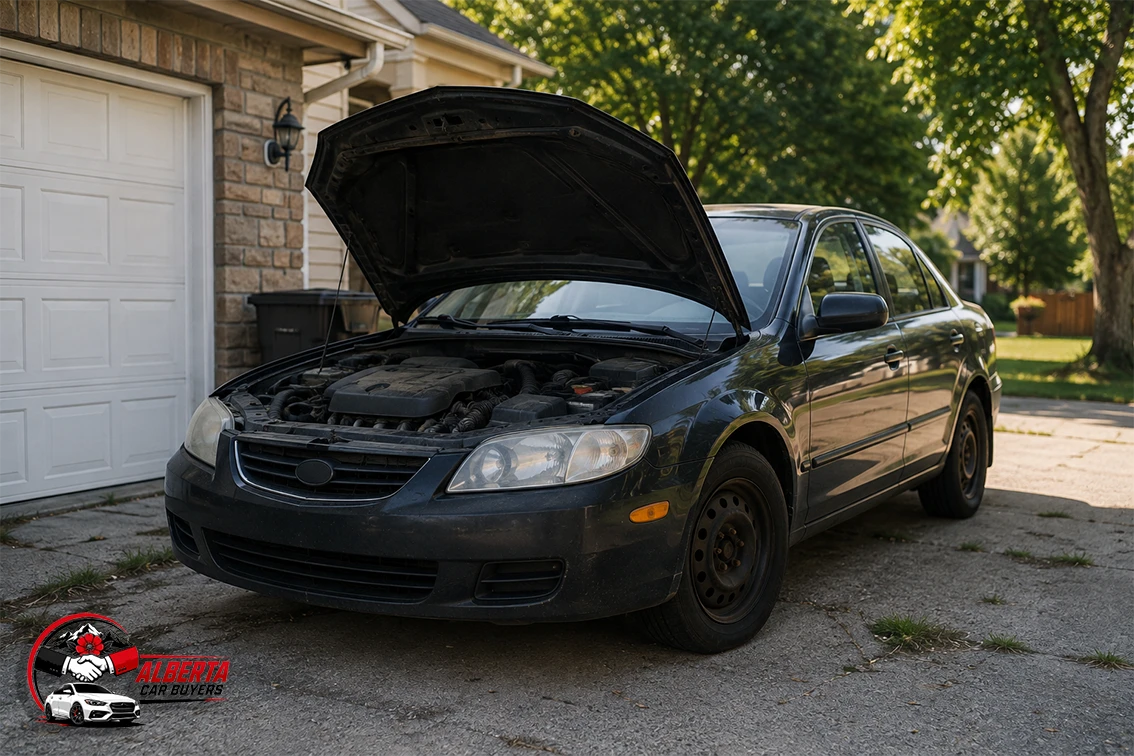
A proper diagnosis is what separates an accurate repair estimate from a guess. This typically involves a scan of the vehicle’s onboard diagnostic codes, a road test to observe the actual symptoms, and a look at the transmission fluid’s condition and colour. A burnt smell or significantly degraded fluid can indicate overheating or wear and should be investigated, but fluid condition alone doesn’t prove the transmission has suffered internal damage.
For a major repair such as a rebuild or replacement, ask the shop to explain the diagnostic findings and why that specific repair is warranted before authorizing the work, since a fair number of transmission complaints turn out to be simpler and cheaper to fix than the initial symptoms suggest. A diagnostic inspection usually costs far less than a rebuild or replacement, though diagnostic fees vary by shop and the complexity of the problem, so it’s worth asking upfront what the diagnosis itself will cost.
What Actually Drives the Cost of a Transmission Repair?
There’s no official published price schedule for private auto repair the way there is for registry fees, and pricing varies enough by shop, vehicle, and region that a specific dollar figure would give a false sense of precision. What’s consistent across virtually every source is the order of cost: a targeted fix, replacing a single sensor, solenoid, or sealing a leak, is a fraction of what a full rebuild costs, and a rebuild is in turn generally less expensive than a complete replacement, since a rebuild reuses the existing transmission housing rather than swapping in an entirely new or remanufactured unit. Labor rates vary significantly between independent shops, specialists, and dealerships, and the vehicle itself matters too, a common domestic sedan and a newer CVT-equipped import can land in very different places for what looks like a similar repair.
Because of that variability, the only reliable way to know what your specific repair will cost is a written estimate from a local Alberta shop, not a generic online price range.
Does the Type of Transmission Change the Cost?
Significantly. A conventional automatic transmission is generally the least expensive to repair, since parts are widely available and most independent shops have the experience to work on them. Manual transmissions are generally simpler mechanically, so major transmission repairs can be less expensive than comparable automatic-transmission work, although clutch and other related repairs can still be costly on their own. CVTs, common in many newer compact and mid-size vehicles, often require specialized diagnostic equipment and technician expertise, which can push repair costs above a comparable automatic for major work, though the actual failure matters more than the transmission type alone.
If you’re not sure what type of transmission your vehicle has, it’s worth asking the shop directly, since a major CVT or dual-clutch repair often costs more than the equivalent job on a conventional automatic, even if that isn’t universally true for every repair.
When Is It Worth Fixing the Transmission?
A repair tends to make financial sense when several of these apply:
- The problem was caught early, before it caused further damage
- The issue involves a sensor, solenoid, or a minor leak rather than internal component failure
- The vehicle is relatively new or has comparatively low mileage
- The car still holds strong overall value
- You’re planning to keep the vehicle for years to come
If the rest of the car is in good shape and you’re not facing other major repairs at the same time, a targeted fix on a newer, otherwise healthy vehicle is usually the right call.
When Does Selling Make More Sense Than Repairing?
The math shifts once the numbers stop favouring a fix. A repair becomes harder to justify when:
- The vehicle already has high mileage or significant wear elsewhere
- The repair cost approaches or exceeds the car’s current market value
- Other major components are also nearing the end of their useful life
- You’d be financing thousands of dollars into a vehicle that’s still depreciating
In our experience, the vehicles that come in for an assessment after a transmission diagnosis fall into two clear groups: newer cars where a rebuild genuinely makes sense, and older ones where the owner has already sunk money into other repairs and the transmission is simply the final straw. Knowing which group your vehicle falls into before committing to a repair quote saves both time and money. If you’re weighing this against just selling the car outright, our guide on scrap car vs repairing car in Alberta walks through that comparison in more detail.
What Happens If You Delay a Transmission Repair?
Putting off a diagnosis rarely makes the problem cheaper to fix later. A minor issue like a small leak or a failing sensor can develop into more serious internal damage if the transmission continues operating with low or degraded fluid, since fluid is what keeps the internal components properly lubricated and cooled under normal driving conditions. What might have been a comparatively minor targeted repair can turn into a full rebuild once metal-on-metal wear sets in.
There’s also a safety consideration worth taking seriously: severe slipping, hesitation, or loss of power can create a safety concern, particularly when accelerating, merging, or driving in heavy traffic. If cost is the reason you’re delaying a diagnosis, it’s worth remembering that the diagnosis itself generally costs far less than a rebuild or replacement, and knowing what you’re actually dealing with is the first step toward making a sound financial decision either way.
What Consumer Protections Apply to Repair Estimates in Alberta?
Alberta is the only province that regulates automotive service and repair businesses the same way it regulates vehicle sales, through AMVIC, and that comes with real protections worth knowing about before you approve any transmission work [1]. If you ask for an estimate, a licensed shop must provide one in writing, and if the work requires diagnostic testing first, they’re required to state the maximum diagnostic cost before that testing begins [2].
Once you’ve agreed to an estimate, a licensed repair business legally cannot exceed it by more than 10 percent, up to a maximum of $100, without getting your express consent first. Getting your estimate and authorization in writing, and confirming the maximum diagnostic cost upfront if testing is needed, gives you real recourse if a final bill doesn’t match what you agreed to, and it’s a genuinely more reliable number than any online price range.
Common Transmission Repair Mistakes to Avoid in Alberta
A handful of avoidable errors account for most of the frustration people run into with a transmission problem:
- Ignoring early symptoms. A minor issue caught early is often a fraction of the cost of the same problem left to worsen into internal damage.
- Accepting the first repair quote without comparing others. Prices and recommended repairs can vary meaningfully between shops for the exact same symptoms, and AMA’s Approved Auto Repair Service program identifies participating Alberta repair facilities that meet its standards for quality service and fair pricing [3].
- Assuming every symptom means the transmission needs full replacement. Many issues trace back to a specific, less expensive component rather than the entire unit.
- Sinking money into a repair without checking the vehicle’s actual value first. A rebuild that costs more than the car is worth rarely makes financial sense, regardless of how attached you are to the vehicle.
Frequently Asked Questions
Get a Fair Cash Offer for Your Vehicle
If a transmission diagnosis has you weighing repair against selling, get a real number for what your vehicle is worth before committing to either. Alberta Car Buyers accepts vehicles across Calgary and more than 55 Alberta communities in any condition, offer free towing, and pay cash at your door. Get a quote or email hello@albertacarbuyers.ca for a fast, no-obligation offer.
The Final Word
Whether fixing a transmission is worth it comes down to the type of damage, the vehicle’s overall condition, and how that repair cost compares to what the car is actually worth. A minor fix on a newer, otherwise healthy vehicle is usually worth doing, while a major rebuild or replacement on an older car with other issues rarely pays for itself. Getting a proper diagnosis, a written Alberta estimate, and an honest comparison against your vehicle’s current market value is what turns this from a stressful guess into a straightforward decision.
References & Further Reading
- Alberta Motor Vehicle Industry Council (AMVIC), “Repair Estimates and Authorizations: What You Need to Know”: https://www.amvic.org/repair-estimates-and-authorizations/
- Alberta Motor Vehicle Industry Council (AMVIC), “Repairing a Vehicle”: https://www.amvic.org/consumer/repairing-a-vehicle/
- Alberta Motor Association (AMA), “Approved Auto Repair Service”: https://ama.ab.ca/auto/vehicle-maintenance/approved-auto-repair-service
Written by the Alberta Car Buyers team. Our experience purchasing and removing junk vehicles throughout Calgary gives us practical insight into vehicle valuation, responsible recycling, and the local market trends that matter to sellers.